A Different Way to Look at Fertility
I’m Dr. Mimi, and I’m so glad you’re here! This is an exciting place to be, where couples get to the root of their fertility struggles, create empowerment and confidence in their journey.. and amazing outcomes.
Early in my work, I began noticing the same pattern again and again. Couples would arrive having already completed basic testing and received recommendations, yet they still felt confused, dismissed, and unsure why they were struggling in the first place.
Many had been told their labs were “normal,” to “just pick a prenatal,” or to keep trying until they hit the six- or twelve-month mark—without any explanation of what was happening in their body or how to improve fertility.
In other cases, a diagnosis like PCOS, endometriosis, or hypothyroidism had been identified, but the only option presented was treatment (medicated cycles, IUI, IVF).
There was little, if any, investigation or conversation around why these patterns were showing up or what could be done to support the body alongside—or even better, before—intervention.
What Most People Aren’t Told About Fertility
In conventional care, fertility is often approached through testing followed by treatment. What’s rarely explained is what those results actually mean, how different systems in the body influence reproductive health, or why fertility may be struggling even if everything appears “normal” on paper.
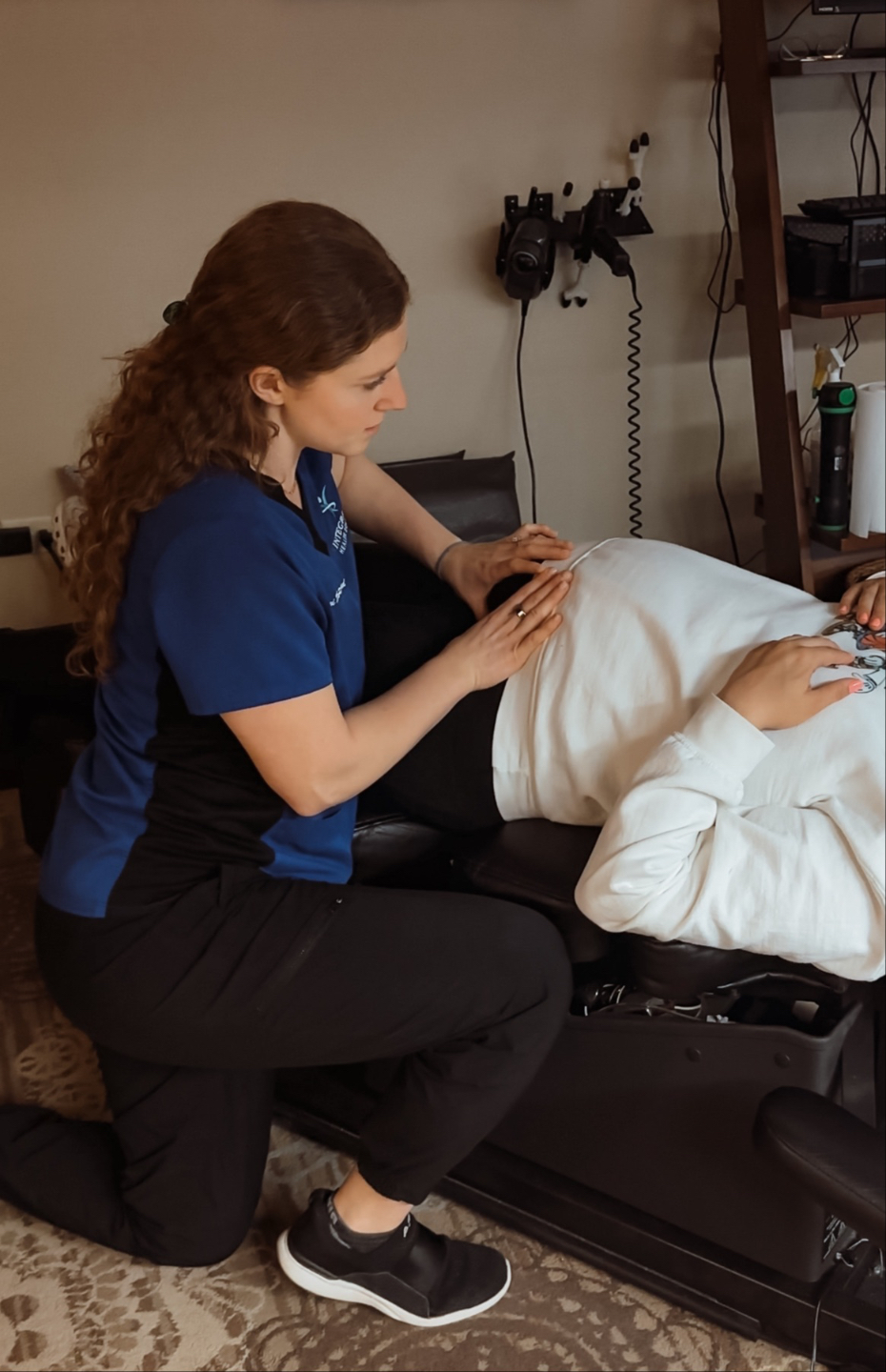
When I take a deeper look, I often find underlying drivers that haven’t been addressed—things like chronic inflammation, nervous system dysregulation, blood sugar imbalance, immune dysfunction, impaired blood flow or mobility to the reproductive organs, and nutrient insufficiencies.
More often than not, it isn’t just one issue, but several interacting together, driving each other. These are the things that impact hormones like progesterone and estrogen, sperm parameters and egg quality.
How I Look at Fertility
My work is rooted in physiology and functional medicine—understanding how the body works at baseline, what it needs to thrive, and what disrupts healthy function.
All systems in the body are connected and influence one another. You can’t optimize fertility by focusing on hormones alone, nutrition alone, or labs alone. To support optimal outcomes, we have to look at the whole picture.
At the foundation of that system is the nervous system—what coordinates and regulates everything else in the body, including hormonal signaling, inflammation, blood flow, immune function, and the reproductive system itself. When the nervous system is chronically stressed or dysregulated, the body prioritizes survival over reproduction. Addressing fertility without addressing this foundation doesn’t just slow progress; it can block it entirely.
So what influences these systems? Sure, genetics play a role, but it's small. The vast majority is influenced by lifestyle and environment. There is much more within your control than you’ve been led to believe.
One of the biggest myths in fertility care is that lifestyle and environment don’t matter—the evidence is there and I can show you. This is where the real opportunity is, where the focus shifts from waiting to actively supporting your fertility.
Explore Options For Working TogetherWho This Work Is Best For
This approach is well suited for women and couples who want to be proactive and engaged—whether you’re planning ahead, have been TTC for some time, are preparing for or avoiding assisted reproductive technologies like IUI or IVF.
Couples who do best are those willing to participate in the process, stay consistent, and commit to change. This work is not about quick fixes; it’s about building a strong physiological foundation that supports fertility and health beyond conception. The recommendations are often simple, but they only work if you actually do them.

So How Do We Accomplish This?
We start by looking at how your body is actually functioning, beginning with comprehensive bloodwork interpreted through a functional lens (the most important part). We go far beyond female hormones alone.
We’re not looking for what’s merely “normal” or barely within range—we’re looking for what’s optimal for fertility. When interpreted correctly, bloodwork provides powerful insight into which systems are struggling, where support is needed, and what may be driving dysfunction beneath the surface. In some cases, advanced testing is helpful, but many couples don’t end up needing it once the bigger picture becomes clear.
This Is What I've Been Looking ForFrom there, we focus on the foundational systems that support healthy egg and sperm development:
⚡️ Regulating the nervous system (the ultimate foundation) and stress response
⚡️ Supporting pelvic blood flow and mobility
⚡️ Addressing cellular and mitochondrial health (eggs and sperm are two cells after all)
⚡️ Identifying and correcting nutrient insufficiencies
⚡️ Using targeted, evidence-based supplementation
⚡️ Reducing the drivers of inflammation, oxidative stress, and metabolic dysfunction
⚡️ Optimizing gut health
⚡️ Guiding lifestyle and environmental changes that quietly but powerfully shape fertility
⚡️ And more…Rather than focusing on one marker or one diagnosis, we look upstream—at how the nervous system, metabolism, digestion, and daily inputs are influencing hormone balance and reproductive health as a whole.
This is how we move from waiting and guessing to actively supporting fertility.
And We Can't Forget...
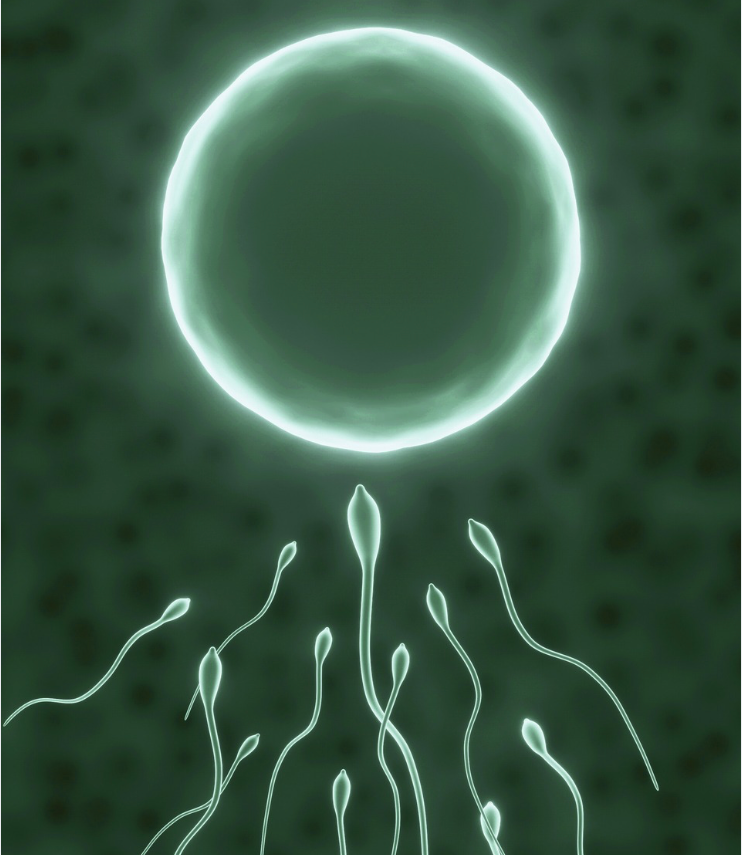
Fertility is a shared process. One of the biggest gaps in fertility care is how little attention is given to male health.
Research shows male and female factors contribute 50/50 to infertility, yet men are rarely evaluated beyond a single sperm analysis—often judged as “fine” despite being far from optimal.
The same drivers we address in women—metabolic health, inflammation, nutrient status, nervous system regulation—directly affect sperm health, pregnancy outcomes, and even baby’s future health.
Addressing your partner is essential.
How Symptoms Fit Into the Bigger Picture
Many people assume fertility struggles come out of nowhere. In reality, the body often gives signals long before conception becomes difficult.
Things like ongoing fatigue, digestive issues, painful or irregular periods, headaches, sleep problems, or feeling “off” aren’t random. They’re often signs that certain systems in the body are under strain—the same systems fertility depends on.
If you don’t have obvious symptoms? GREAT! Let’s find where we can optimize. And keep in mind, the absence of symptoms doesn’t always mean everything is functioning optimally.
You can feel well and still have subtle shifts beneath the surface that affect hormone signaling, inflammation, nutrient status, or egg and sperm quality. That’s where a functional approach matters.
Because fertility isn’t just about the absence of symptoms; it’s about creating the conditions that allow the body to do what it’s designed to do.

The Kind of Results We See
When we take the time to understand and support the body at a deeper level, the outcomes can be truly transformative. Over the years I’ve seen:
- Natural conception after being told "IVF is the only option", and after months to years of trying
- Success on the very first IVF cycle (look up success rates to see how common this is… hint, not very)
- Pregnancy on the first IVF cycle after working together, even after multiple failed cycles (up to nine prior rounds)
- Going from zero euploid embryos to multiple healthy embryos after addressing underlying factors
- Carrying a pregnancy to term on the very first pregnancy after working together, following a history of loss (up to seven)
These aren’t one-off success stories. They’re patterns I see when clients commit to addressing the underlying drivers.
Everyone’s journey is different, but when we address the right foundations the body is often capable of far more than we’ve been led to believe.
A Clear Path Forward
Fertility reflects how the body is functioning as a whole.
If you’re looking for a clear, physiology-based approach that prioritizes understanding, regulation, and long-term health, you’re in the right place.
Explore How We Can Work TogetherStay Connected
Get resources, inspiration and updates delivered to your inbox:
